Bags made in Spain: what to look for in quality and origin
Looking for bags made in Spain can reflect several priorities: proximity, traceability, craft tradition or the desire to buy a well-constructed piece. Yet the country of manufacture alone does not guarantee quality. It is worth looking at what is actually made there, how the bag is constructed and how clearly the brand explains its process.
“Made in Spain” and “designed in Spain” do not mean the same thing
A brand can design in Spain and manufacture elsewhere. If place of manufacture matters to you, look for a clear statement about where the product is made. Commercial language should distinguish between design, material origin and manufacturing location.
Spain has specialist leathercraft traditions
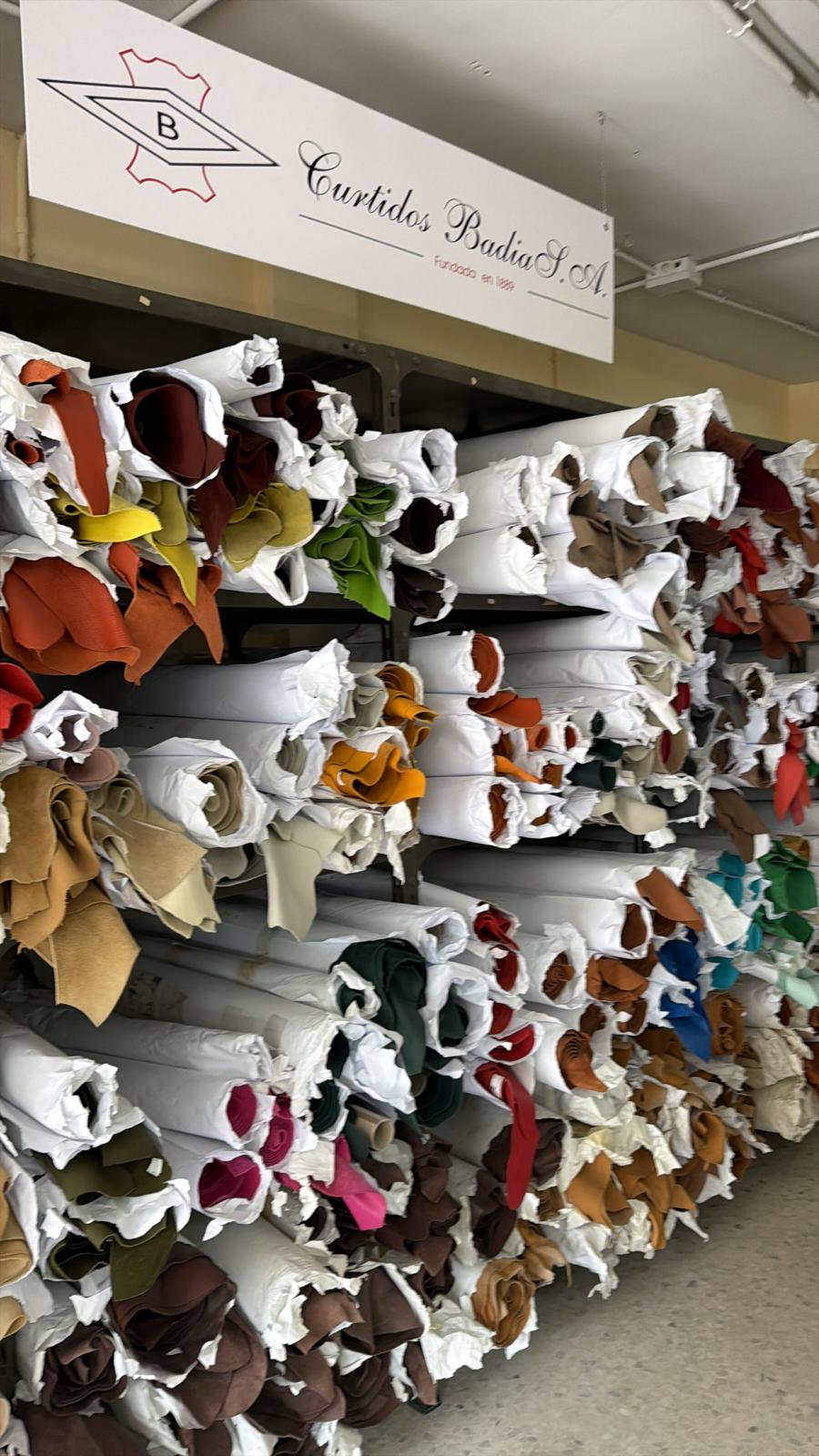
Different parts of Spain have traditions linked to leather and footwear. Within leather goods, Ubrique is especially known for its concentration of workshops, artisans and specialist processes around bags and small leather goods.
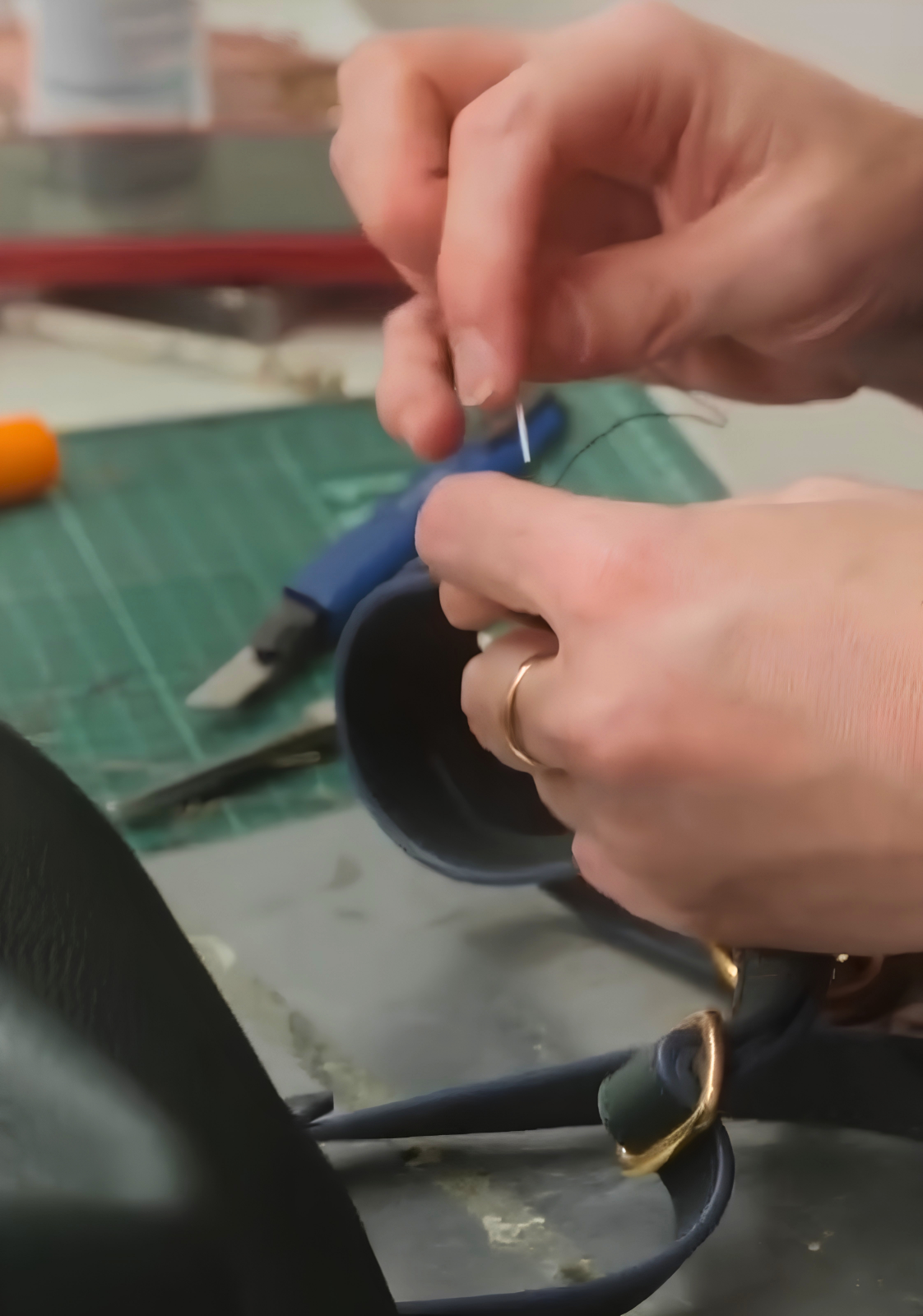
This ecosystem allows many stages—pattern making, cutting, skiving, preparation, assembly, stitching, edge finishing and inspection—to benefit from knowledge built over generations. But the name of a place never replaces execution: the specific piece still needs to be assessed.
Look at the material, but also the construction
Beautiful leather cannot compensate for poorly resolved construction. Look at stitching regularity, the way pieces meet, edge finishing, hardware placement and how handles and stress points are reinforced. A good bag should maintain a coherent relationship between material, structure and use.
Quality does not always mean greater rigidity
A soft bag can be beautifully constructed and a rigid bag can be poorly made. Structure should answer the design. In a flexible piece, the way leather drapes and recovers matters; in a structured piece, the lines should hold without creating hard or uncomfortable areas.
Ask about origin when information is vague
If a website speaks about Spanish craftsmanship but does not explain where the product is made, asking for clarification is reasonable. A brand that considers its process important should be able to explain simply where it designs, where it manufactures and what work is carried out internally or with specialist workshops.
Spanish materials are not required for a bag to be made in Spain
The origin of a bag and the origin of every component are different concepts. Leather, hardware, zips or fabrics may come from different countries. What matters is that the brand communicates accurately and selects each component for its characteristics and suitability for the product.
Timeless design and practical durability
If you are looking for a piece to use for years, value clear construction, well-integrated hardware and a design that does not depend entirely on a short-lived trend. Durability also depends on how the bag is used and cared for, and whether its main elements are properly proportioned.
CHAGOM and Ubrique
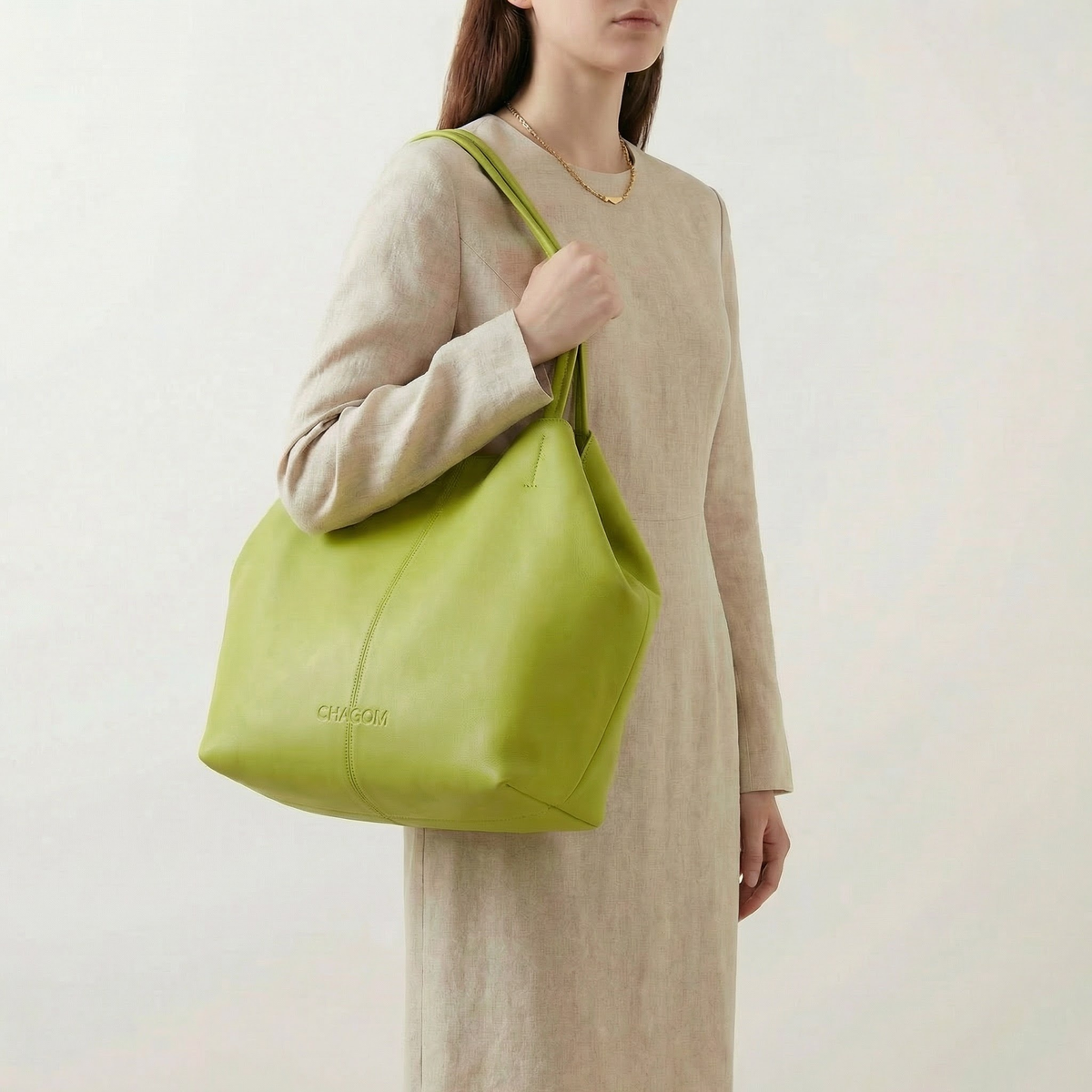
CHAGOM was born from experience in Ubrique leathercraft. We design and make our bags here, aiming for value to be felt in proportion, leather, touch and finishing rather than in unnecessary visual noise.
To explore further, read what it means for a bag to be made in Ubrique, our guide on recognising artisanal leathercraft or explore the CHAGOM collection.