Article: Price of an artisanal leather bag: what really determines its value
Price of an artisanal leather bag: what really determines its value
Two leather bags can look similar and have very different prices. The difference is not explained by the logo alone. An artisanal piece brings together the material, the amount of leather required, pattern making, hours of work, construction complexity, hardware, production scale and the way the brand brings the product to market.
Leather is not bought like a perfect piece of fabric
Leather is a natural material. Every hide has areas, marks and variations that require careful selection and placement of the pieces. Real consumption is not simply the visible surface of the bag: there is waste, direction, colour matching and parts of the hide that may be unsuitable for certain areas.
A higher-quality leather or a special finish can significantly increase cost, but the choice still needs to make sense for the design and use of the piece.
Pattern making determines much of the result
Before stitching begins, technical work defines proportions, volumes, tolerances, reinforcements and the way pieces meet. A bag that looks simple may require highly precise pattern making to preserve a clean line. More pieces, curves, turns, closures or structural solutions can all increase complexity.
Hours of skilled work are difficult to hide
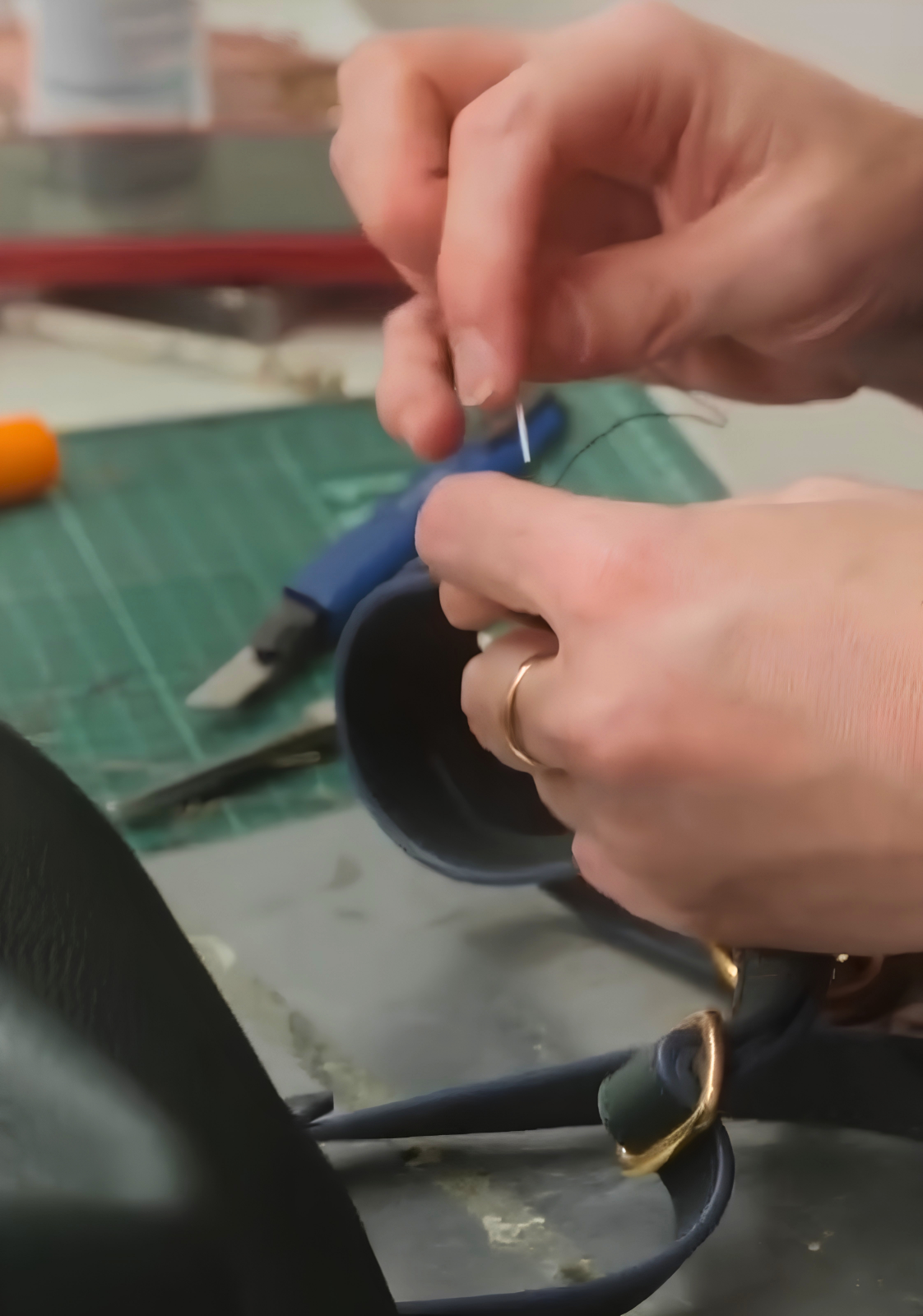
Cutting, skiving, preparation, assembly, stitching and finishing take time. Some processes can be partly mechanised; others rely on manual skill. Painted edges, layered handles, particular closures or constructions demanding high precision add operations and quality checks.
Hardware and components matter too
Zips, snap hooks, magnets, closures, feet, chains, linings and reinforcements vary greatly in quality. Good hardware should function well, withstand use and be proportionate to the weight of the bag. Custom parts developed specifically for a model generally cost more than standard solutions.
Small production runs increase the cost per bag
In small runs, preparation and set-up time is divided across fewer pieces. This can support greater exclusivity and reduce the risk of overproduction, but normally leads to a higher unit cost than mass manufacturing.
Place of manufacture influences cost
Wages, specialisation, regulation and production structures differ between countries and workshops. A bag made in Ubrique includes the cost of working within an environment highly specialised in leathercraft, with professionals dedicated to different stages of the process.
Price and quality are not exactly the same thing
A high price does not automatically guarantee exceptional construction, just as a lower price does not necessarily mean poor quality. Brand, distribution, marketing, packaging, retail margins and positioning also form part of the final price.
When assessing a piece, look at what you actually receive: material, design, making, functionality, finishing and clarity about origin. When those elements are well resolved, price can be judged with more context than by looking at a number alone.
The value of an artisanal piece
An artisanal bag should not be justified only by the number of hours involved, but by what those hours achieve: proportion, comfort, precision, touch, practical durability and design coherence. Craft has value when it results in a better-resolved piece.
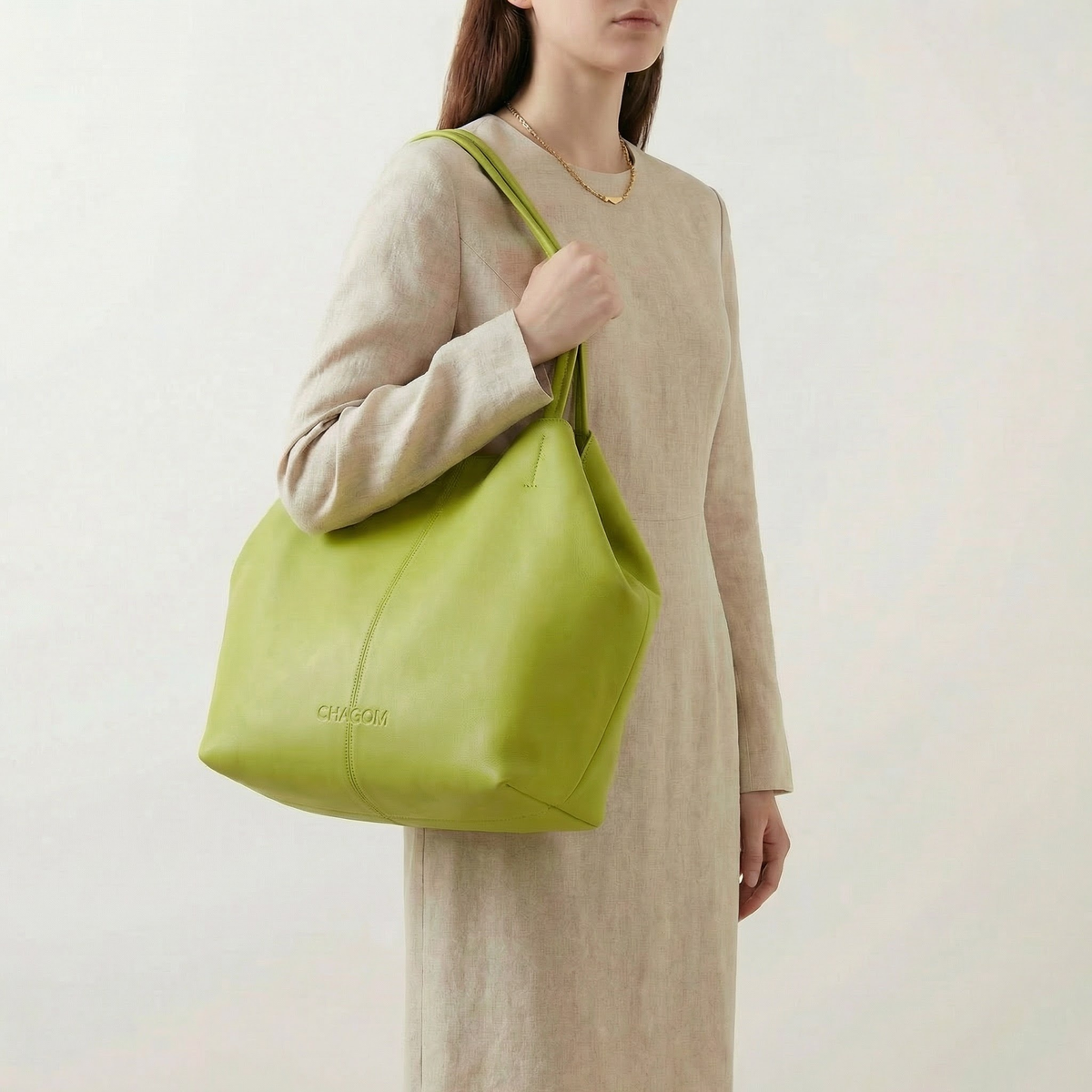
At CHAGOM we apply that logic to bags designed and made in Ubrique. Read more in artisanal bag vs luxury bag: where the value really lies and explore the CHAGOM collection.