
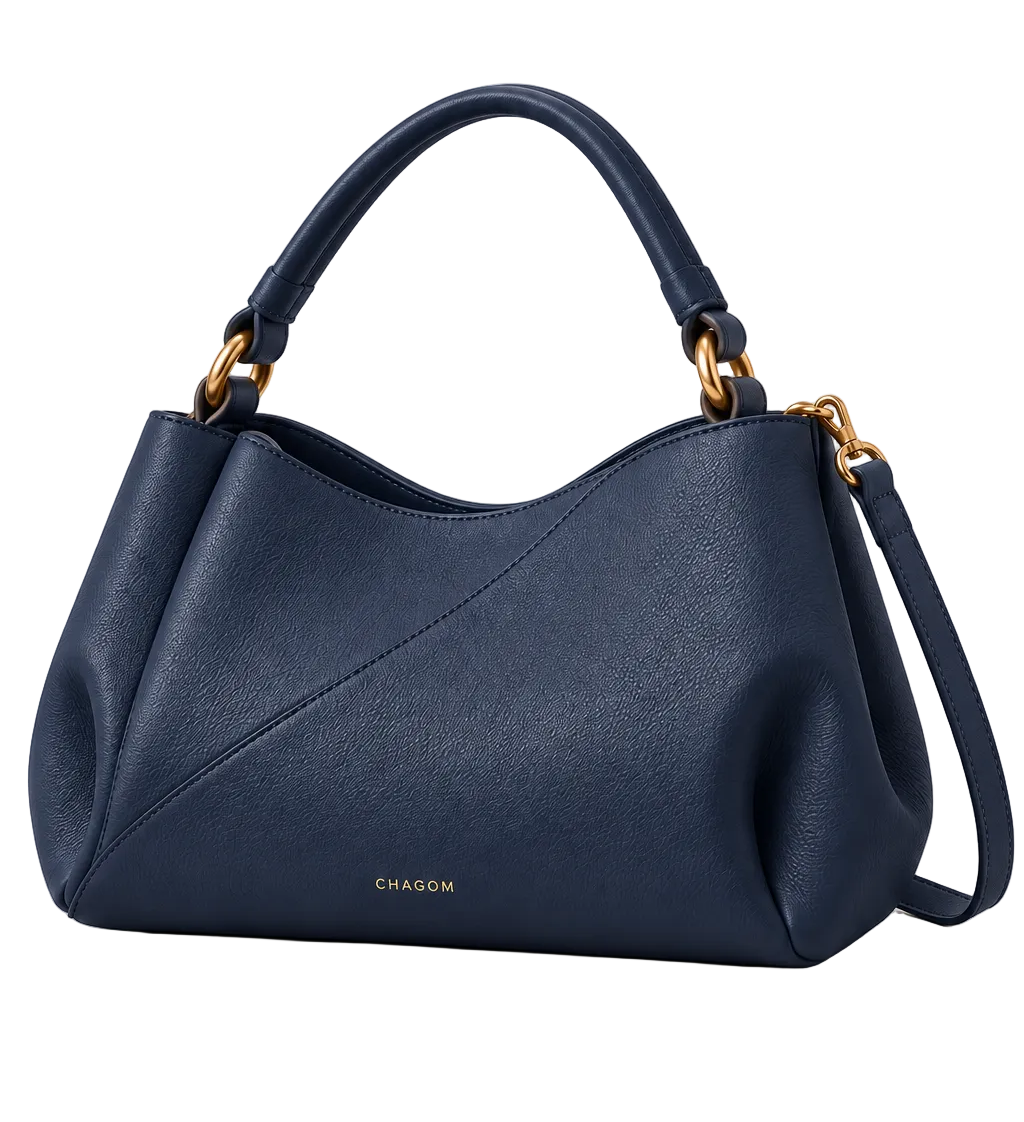

How to store a leather handbag without losing its shape
Storing a leather handbag properly matters as much as caring for it while in use. Constant pressure on the sides, handles bent for months or prolonged exposure to moisture and sunlight can alter its silhouette, mark the leather or affect components. From our leather workshop in Ubrique, here is how to preserve a handbag’s form without products or tricks that could harm it.
The key: respect the bag’s construction
Not all handbags need identical storage conditions. A structured piece holds its volume through patterns, reinforcement and its base; a flexible bag may form intentional folds that should not be flattened. Before putting it away, examine how it stands and where stress concentrates around handles, corners and seams.
The aim is to support the original form without stretching, crushing or overstuffing.
How to store a leather handbag step by step
- Empty it completely. Remove wallet, keys, cosmetics and objects that could weigh down, stain or mark the interior.
- Make sure it is clean and dry. Remove surface dust in a way suitable for the finish. Never store damp leather or apply conditioner routinely.
- Support the inside gently. Use clean, unprinted, acid-free tissue paper or another non-staining, breathable soft filling. Distribute it without pressure on seams or the closure.
- Position the handles naturally. Avoid tight folds or metal buckles pressed against the leather for weeks.
- Protect the surface. Choose an individual, clean, breathable fabric dust bag large enough to avoid compression.
- Choose suitable storage. Keep it cool, dry and ventilated, out of direct sunlight and away from heaters or major changes in temperature and humidity.
How should you stuff a handbag to prevent deformation?
Stuffing should support the shape, not expand it. Add clean, lightweight filling gradually until the sides sit naturally. If the closure is under tension or the corners bulge, remove some. Avoid newspaper, printed or damp materials and rigid inserts that distort the lining or opening. Do not use sealed plastic bags.
Structured, flexible and pleated bags need different care
Structured handbags
Keep a defined base and panels from collapsing beneath other items. Place the bag on a stable surface and distribute light filling inside. CESTA 26, with its square base and structured volume, should not be compressed during storage.
Flexible shoulder bags
Allow a natural drape, but avoid leaving the body hanging for months with weight inside. For long-term storage, a clean surface and soft support are usually preferable to loading the handles.
Pleated and curved designs
Do not flatten a pleat built into the pattern. In PLIEGUE, the front volume comes from the construction. For a curved model such as LUNA, do not force the opening or corners with excessive stuffing.
Is it better to hang bags or stand them on a shelf?
For long periods, supporting a bag without load is generally more prudent, particularly for delicate handles, flexible bodies or heavier designs. Hanging by one point can concentrate tension and change the handle or body shape. Daily storage is fine if it does not distort or repeatedly rub the leather.
Protecting handles, straps and metal hardware
Remove a detachable strap if appropriate and store it flat or in a wide, gentle curve, never sharply folded. Keep buckles, clasps and chains from pressing against delicate leather; a clean soft separator can prevent marks. Never coil damp straps or stress the attachment points.
Humidity, sunlight and temperature
Leather and the materials used inside a bag can be affected by persistent dampness, condensation, heat and UV exposure. Avoid radiators, sunny windows and damp walls. A breathable bag keeps dust away, but it cannot solve a humid room.
If you notice a strong musty smell or suspicious mould, avoid rubbing or applying household cleaners. Separate the piece from other belongings and consult a leather restoration specialist.
Preventing pressure marks and colour transfer
Do not stack bags or leave them touching dark fabrics that may bleed dye. Light and delicate leathers can stain from prolonged contact. Use individual breathable covers and keep metal fittings away from the body.
What if you will not use the bag for months?
Inspect the finish, empty the bag, add gentle support and place it in a breathable dust cover. Check occasionally that the space remains dry and that the bag is not deforming. There is no universal conditioning schedule: care depends on the leather and finish, and some surfaces need no extra product.
Common storage mistakes
- Hanging a heavily loaded bag for months.
- Overstuffing it until panels or seams stretch.
- Folding handles and straps sharply.
- Putting a damp bag into sealed plastic.
- Stacking items on top or pressing buckles into leather.
- Using oils or conditioners without checking compatibility.
Frequently asked questions
Can I keep my leather handbag in its box?
Yes, if the box is clean, dry and roomy and does not crush the sides or handles. Avoid damp enclosed spaces.
Is tissue paper suitable as stuffing?
Clean, acid-free and unprinted paper can help when used without excess pressure.
Should I store the strap inside the bag?
Only if it fits without deforming the body or pressing hardware against the lining. Otherwise store it separately and protected.
How often should I clean a stored handbag?
There is no universal frequency. Check it periodically and remove dust using a method compatible with the finish.
Care is part of CHAGOM craftsmanship
CHAGOM designs and makes leather bags in Ubrique, considering proportion, leather behaviour and daily use. Storage should respect that pattern-making and assembly work. Read about smooth leather care and suede and hair-on leather care, or discover our leather bags.
These are general guidelines; follow the specific manufacturer and material supplier’s instructions for special finishes or combined materials.

