Everyday bag for women: how to choose size, weight and comfort
Choosing which bag to use every day seems simple until we think about everything we ask of it. We want it to work with our clothes, hold enough, avoid unnecessary weight, feel comfortable, let us find things quickly and continue working when our routine changes.
That is why the best everyday bag is not necessarily the largest or the smallest. It is the one that moves with us without making us think about it constantly.
Start with what you actually carry
Before considering styles, take inventory. A phone, wallet, keys and glasses may be enough for some people. Others also need a diary, make-up pouch, charger, bottle, documents or electronic devices.
The difference matters because a bag that looks perfect when empty may lose its shape or become uncomfortable once loaded. The opposite also happens: choosing too much capacity often encourages us to carry things we do not need and adds unnecessary weight.
A useful rule is to choose a bag that fits your essentials with a little extra room, without making that spare capacity the main reason for buying it.
Weight matters before you put anything inside
One of the least visible aspects in a photograph is weight. Leather, reinforcements, hardware, lining and construction all affect it. In a bag intended for daily use, balance is especially important.
A very rigid structure can create a defined silhouette, while a more flexible construction may feel lighter and adapt better to the body. The choice depends on your preferences, but it is worth thinking about the final weight once the bag is loaded, not only how it looks empty.
How you carry it changes the whole experience
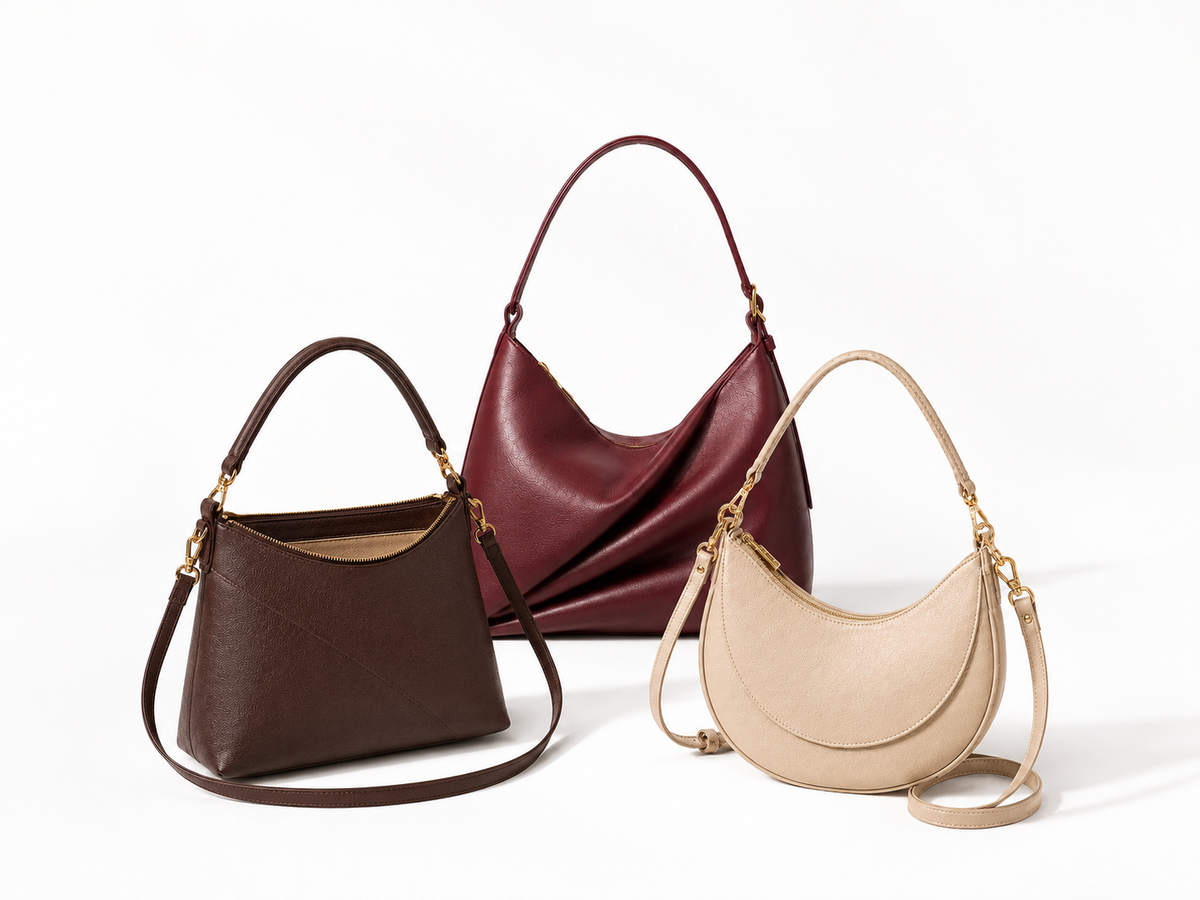
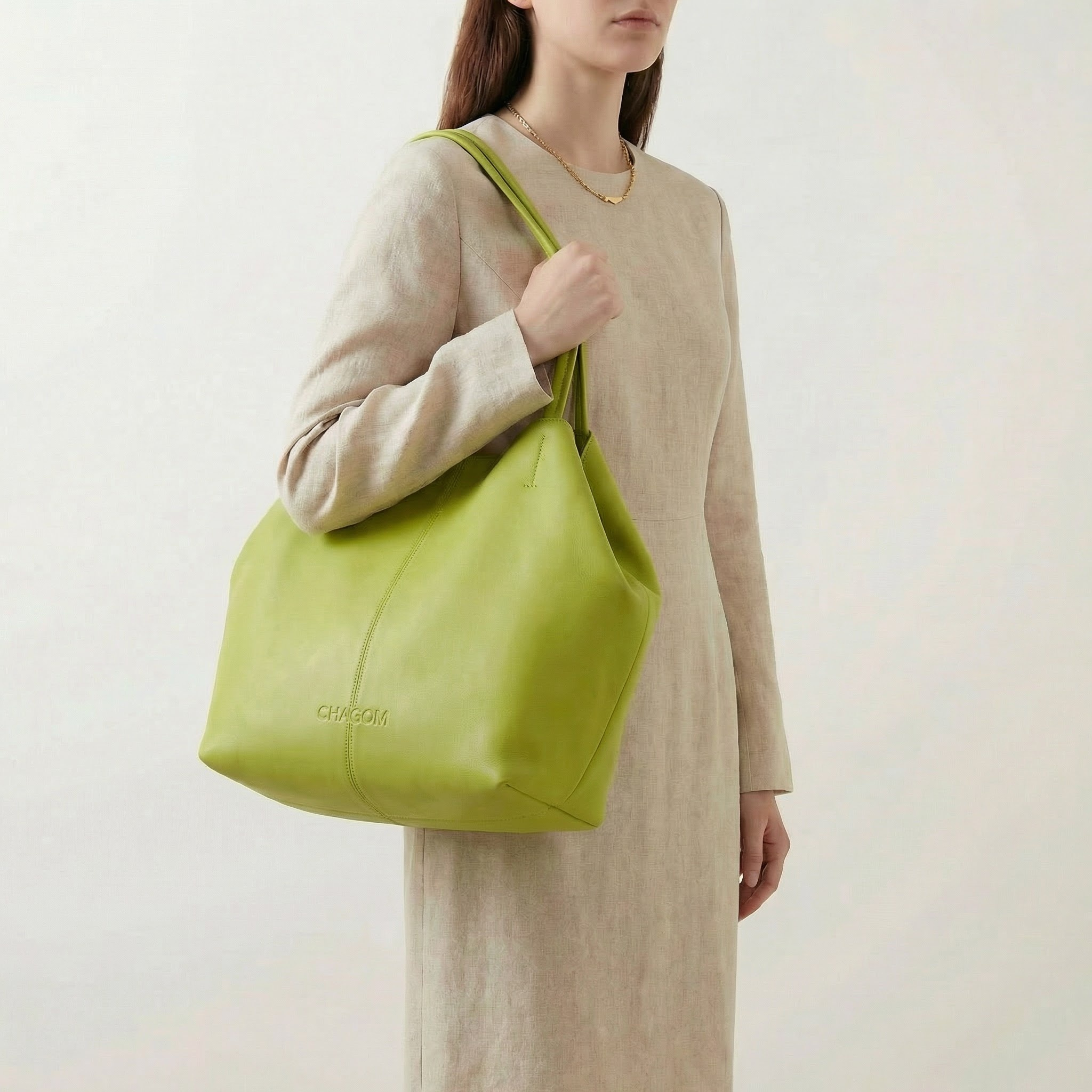
If you move around a lot, a crossbody bag keeps your hands free and can be comfortable over long periods. If you prefer quick access and a silhouette close to the body, a shoulder bag may be very practical. For days when you need more capacity, a tote or shopper can be the better solution.
In every case, look at handle or strap length, the width of the contact area and the position of the attachment points. A strap that is too narrow for a heavy load can become uncomfortable; one that is too short can make the bag difficult to wear over thick clothing. These details seem minor until the bag is worn for several hours.
The opening should work with one hand
In everyday use we repeat the same gesture many times: open, take something out and close again. It is therefore worth considering the access system. Zips, magnets, flaps and mechanical closures each create a different experience.
There is no single correct system. What matters is that it makes sense for the format and for the level of security you need. On public transport, you may value a more protected closure. If you access the bag constantly, a quicker opening may be more useful.
Interior organisation: only what you need
More pockets do not necessarily mean better organisation. An over-compartmentalised interior can reduce usable capacity and force every object into a specific place. A completely open interior, however, may be impractical if you carry many small items.
The solution is usually a balance: a clear main volume with a few points of organisation for things you need to find quickly. If you use a pouch or small cases, you may need fewer internal divisions.
Structure and base: think about where you put the bag down
A bag that spends many hours on a desk, chair or beside you may benefit from a stable base. If you wear it almost all the time, you may prefer a shape that adapts more closely to the body.
Structure also affects the way a piece ages visually. Some designs are intended to preserve a defined geometry; others accept movement, folds and changes in volume as part of their character. What matters is knowing what behaviour you expect before buying.
An everyday colour does not have to be boring
Black, brown, beige and natural tones are easy to integrate into many wardrobes, but a more distinctive colour can also work as a personal neutral when it fits the way you dress. Versatility does not depend only on how discreet a shade is; it depends on how often you want to combine it with what you already own.
Instead of asking which colour is universally the most versatile, look at the clothes and shoes you wear most often. Your everyday bag should work with that real wardrobe.
A simple test before choosing
Think through a complete day, from leaving home to returning. Do you walk? Drive? Work with a laptop? Need frequent access to your phone? Do you often put a jacket or small purchases inside the bag? That sequence tells you more than any trend list.
Then check measurements, closure type, handle length and interior photographs. In our guide to types of leather bags you can compare the main formats by function, and in how to choose a leather bag online we review what is worth analysing on a product page.
An everyday bag should make life easier
Design and function are not opposing ideas. A bag can have a distinctive silhouette and still be designed to be used. The key is for proportions, materials, handles, opening and construction to work together.
At CHAGOM we design in Ubrique with that balance between character and use in mind. Explore our different formats in the leather bag collection and discover the craft context of the brand on Made in Ubrique.