Smooth leather vs suede: differences, benefits and which to choose for a bag
Smooth leather and suede can come from the same raw material, but they offer a very different experience. The choice should not be reduced to which looks more elegant: feel, the way light is reflected, maintenance and the way the bag ages all change.
What do we mean by smooth leather?
In leathercraft, “smooth leather” usually describes a more closed and continuous outer surface, with a fine natural grain or an applied finish. It can be matte, satin, slightly glossy, grained or pigmented. Its behaviour depends on both the quality of the leather and the tanning and finishing process.
One practical advantage is that the surface is generally easier to clean than a velvety material. Smooth leather can also be used for very different silhouettes, from soft bags to highly structured pieces.
What is suede?
Suede comes from a layer of hide separated during splitting and is worked to create a short-fibred, velvety surface. On a bag it brings depth of colour and a warmer, more tactile feel.
Its appearance changes with the direction of the nap: when you run your hand over it, light reflects differently and the shade can appear slightly altered. That variation is part of its character.
Differences in care
Smooth leather generally tolerates occasional cleaning with a soft, slightly damp cloth better, provided the manufacturer's finish allows it. Suede requires more caution with water, grease and rubbing because its open surface can mark more easily.
For suede, a specific soft-bristled brush is usually preferable, and dry dust or dirt should be treated as soon as possible. Before applying any protector or cleaner, test it on an inconspicuous area and follow the product instructions.
Which is better for everyday use?
There is no universal answer. A smooth leather with a good finish can be very practical for intensive use, while high-quality suede can also age beautifully when used and maintained properly. The design, reinforcements and construction matter as much as the outer surface.
If the bag will frequently encounter rain, public transport or surfaces that create friction, smooth leather is generally easier to maintain. If you prioritise touch, visual richness and a softer aesthetic, suede can bring a character that is difficult to reproduce with a closed leather surface.
Structure changes too
Suede can be used in fluid pieces or reinforced to create more body. Smooth leather can likewise support many levels of structure. Do not assume the material alone determines whether a bag is rigid or soft: pattern making, reinforcements and internal construction are decisive.
Colour and light
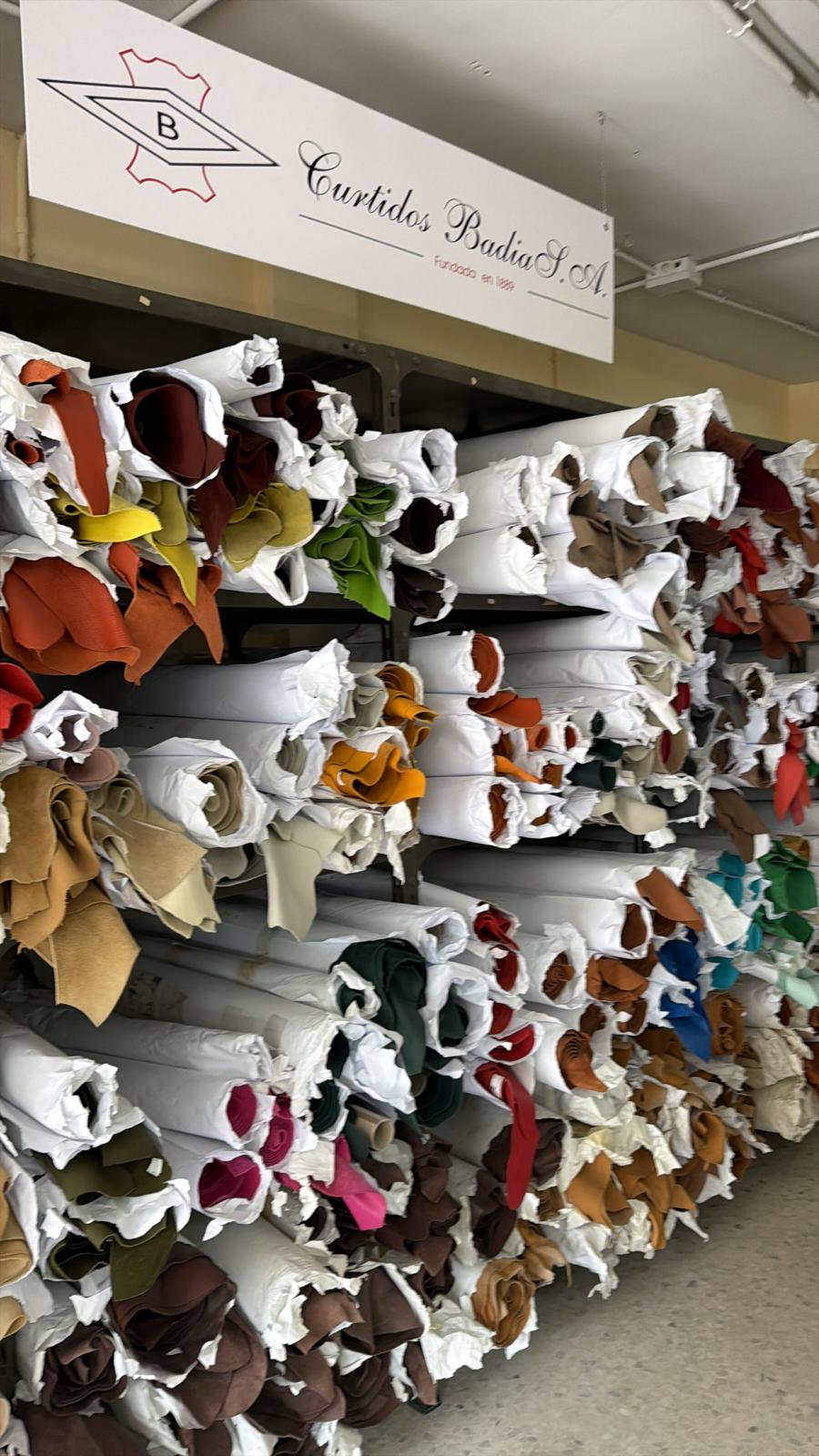
Colour tends to read more uniformly on smooth leather. On suede, the direction of the fibres creates nuances and shadows that add depth. Chocolate, tobacco, camel, taupe and burgundy can look especially rich on velvety surfaces.
What to choose according to how you use the bag
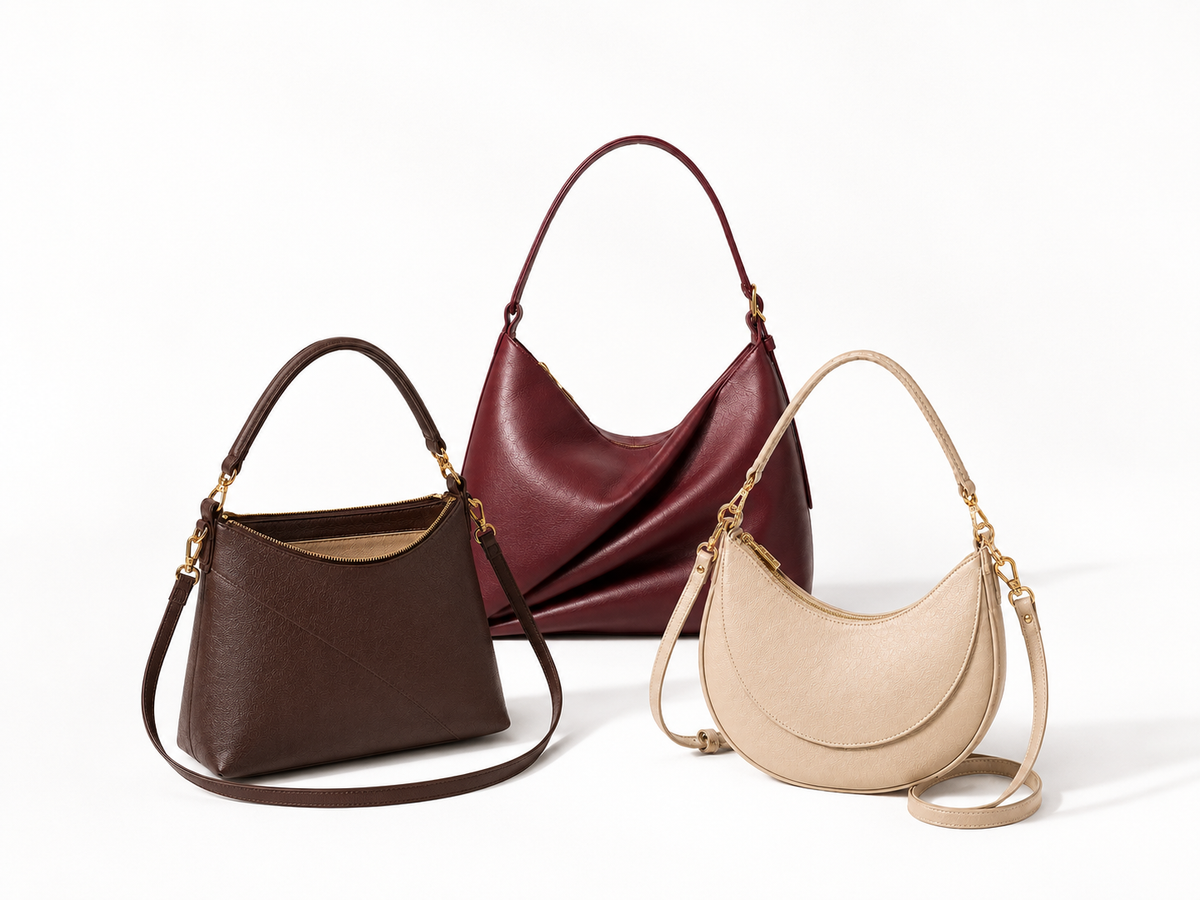
Choose smooth leather if you want easier maintenance, a more defined appearance or a bag that will handle intensive daily use. Choose suede if texture, depth of colour and a softer, more tactile feel matter most to you. If you like both, a well-resolved combination can make use of the contrast between surfaces.
At CHAGOM, material is part of the design rather than an isolated decision. Learn more about our making on Made in Ubrique, read our guide to recognising genuine leather or explore our leather bags.